
How to Cook Perfect Rice
Table of Contents
Rice is one of the most versatile staples in kitchens around the world. From simple steamed rice to biryanis and pilafs, the texture of rice defines the dish. In this guide, you will learn a reliable method, ratios for common rice types, troubleshooting tips, and practical steps to master how to cook perfect rice every time.
Why Cooking Rice Correctly Matters
Rice forms the base of many everyday meals. When cooked properly, it absorbs flavors evenly, holds its shape, and complements the rest of the dish. Poorly cooked rice, on the other hand, can feel heavy, sticky, or bland.
Experts at BBC Good Food and Serious Eats say that too much starch on the outside of the rice and using the wrong amount of water are the main reasons rice turns out mushy. Fixing these helps you get fluffer, separate grains.
What You Need Before You Start
- Rice measured with a standard cup
- Clean drinking water
- A fine mesh strainer for rinsing
- A sturdy pot with a tight lid
- A fork for fluffing
Understanding Rice and Water Ratios
- Long grain white rice cooks well with about one and a quarter to one and a half cups of water per cup of rice.
- Short grain rice needs slightly more water for tenderness
- Brown rice requires over two cups of water per cup of rice and a longer simmer.
Step-by-Step: Stovetop Method
Step 1: Rinse the Rice
Step 2: Optional Soaking
Step 3: Boil and Simmer
Step 4: Do Not Disturb
Step 5: Rest and Fluff
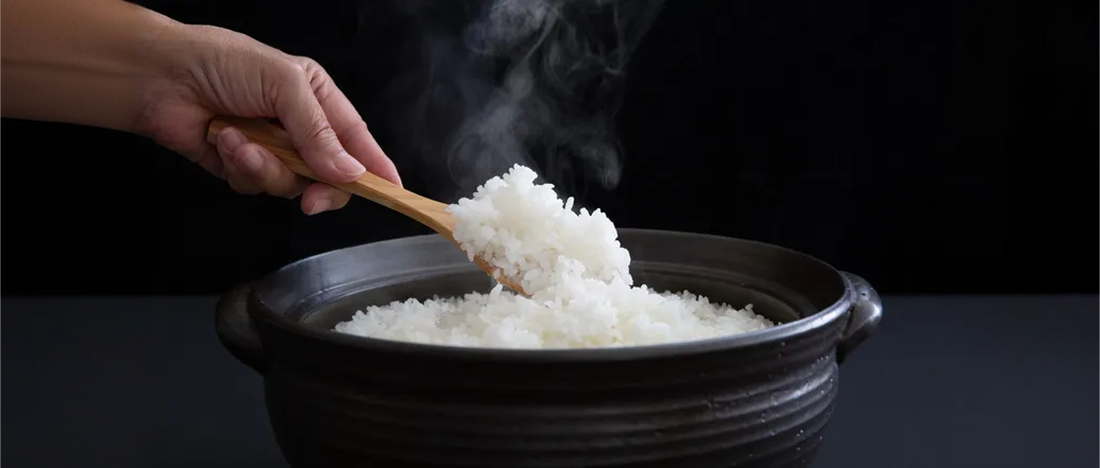
Turn off the heat and let the rice rest, covered, for 10 minutes. Fluff gently with a fork before serving. This resting step is essential and often skipped.
Cooking Rice in a Rice Cooker or Pressure Cooker
- Use slightly less water than stovetop cooking
- Avoid overfilling the pot
- Allow pressure to release naturally for better grain structure
Common Mistakes to Avoid
- Using too much water
- Skipping the rinse step
- Cooking on high heat
- Stirring rice while it cooks
- Serving immediately without resting
Fixing Rice That Did Not Turn Out Well
- If rice is mushy, spread it on a tray to release steam and dry slightly
- If rice is undercooked, sprinkle a little hot water over it, cover, and cook for a few more minutes
- If rice is dry, allow it to steam gently with a damp cloth over the pot
Choosing Quality Rice Matters
Consistent grain size and clean milling improve results. High-quality rice absorbs water evenly and breaks less during cooking.
At Keshar Kali, rice varieties are sourced and processed for uniform cooking, which makes learning how to cook perfect rice easier and more reliable.
Explore premium rice options on our Products page for everyday cooking.
Conclusion
Learning how to cook perfect rice does not need special tools or hard methods. It is about rinsing, measuring carefully, using low heat, and being patient. Once you get these basics, every rice meal becomes easier and more enjoyable.
Looking for rice that cooks evenly every time? Browse the Keshar Kali rice collection and choose a grain that suits your everyday meals.