
How to Cook Brown Rice to Remove Arsenic and Maximize Nutrition
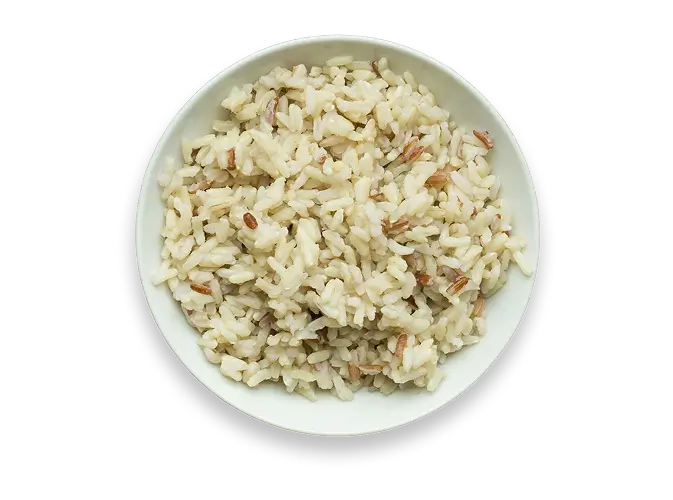
Have you ever switched from white rice to brown rice for the health benefits, only to find yourself staring at a bag of grains and wondering if you are actually doing more harm than good?
It is a common dilemma. While we prize brown rice for its fiber and mineral content, there is a lingering concern that often goes unaddressed in basic kitchen tutorials: arsenic.
According to data from the FDA and various food safety studies, brown rice typically contains about 80% more inorganic arsenic than white rice because the toxin accumulates in the outer bran layer, the very part we eat for nutrition.
So, how do you enjoy the heart-healthy benefits of whole grains without the chemical baggage? The answer lies in your preparation method. In this guide, we will understand the “how-to” of preparing your grains safely and deliciously.
Understanding the Arsenic Challenge in Rice
First, we need to understand why this is a conversation in the first place. Rice plants are unique; they are grown in flooded paddies, which makes it easier for them to naturally absorb inorganic arsenic that occurs in the soil and water.
Unlike other crops, rice is particularly “greedy” in its absorption of this element. Because brown rice retains its husk and bran, it holds onto those minerals, both the good and the bad.
The important goal is to respect the process of preparing it. By changing how to cook brown rice, you can significantly reduce these levels while keeping the texture fluffy and the nutrients intact.
How to Cook Brown Rice: The Parboiled and Absorbing Method Explained
Most of us were taught the “absorption method”. These are two parts water, one part rice, simmered until the water is gone.
While this is great for flavor, it is the least effective way to remove toxins, as any arsenic in the water is sucked right back into the grain. Instead, we are going to look at the “Pasta Method” or the “Parboiling with Absorption” technique.
Research suggests that cooking rice in excess water (like pasta) and then draining it can remove 40-60% of the inorganic arsenic content.
Let’s break down the most effective, nutrition-first approach.
The Importance of the Overnight Soak
If you are planning a Mediterranean brown rice salad for tomorrow’s lunch, start tonight. Soaking is your first line of defense.
When you soak brown rice for 8 to 12 hours, you open its structure, allowing impurities to leach out.
Imagine you are preparing a meal for someone with a sensitive digestive system. Soaking also breaks down phytic acid, an “anti-nutrient” that prevents your body from absorbing the zinc and magnesium in the rice you’re eating.
- Place your rice in a large bowl.
- Cover with double the amount of filtered water.
- Drain and rinse the next morning thoroughly until the water runs crystal clear.
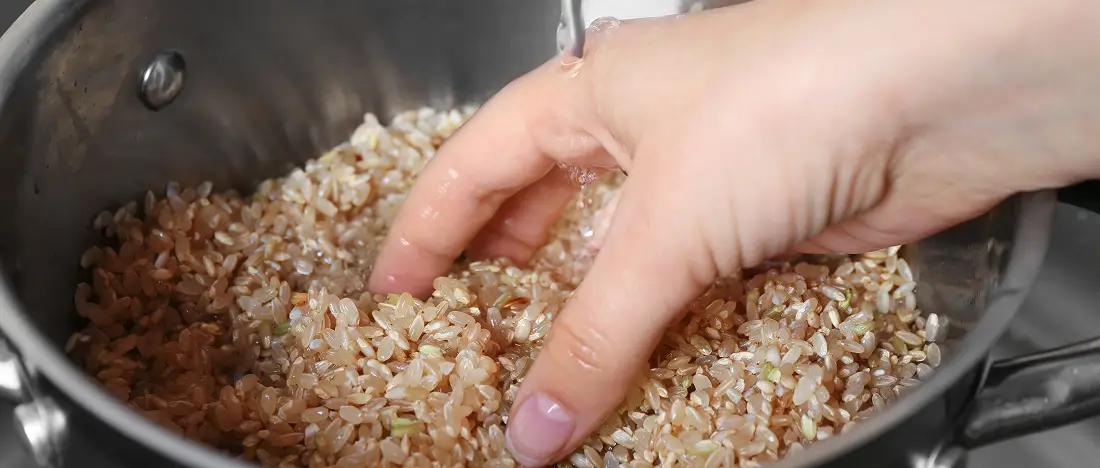
The Modern "Pasta Method" for Maximum Safety
Are you ready to change your stovetop routine? This is the gold standard for safety. Instead of measuring your water precisely, you will use a large pot.
- Fill a large pot with water (think 6 to 8 cups of water for every 1 cup of rice).
- Bring the water to a rolling boil.
- Add your rinsed brown rice and boil it uncovered for about 20 to 30 minutes.
- Here is the trick: You are not cooking it all the way. You are “parboiling” it.
- Drain the water completely, effectively pouring the arsenic down the sink.
The Final Steam for Perfect Texture
Does the idea of “boiled rice” sound unappealing? Don’t worry. After draining, return the damp rice to the pot, cover it with a tight-fitting lid, and turn the heat to the lowest setting for another 10 to 15 minutes. This allows the remaining moisture to steam the grains, resulting in a separate, fluffy texture rather than a mushy mess.
The Nutritional Goldmine of Properly Prepared Brown Rice
Why go through all this effort? Once arsenic is mitigated, brown rice is a powerhouse of vitality.
When you learn how to cook brown rice using the method above, you are securing a complex carbohydrate that provides sustained energy without the sugar crash associated with refined grains.
One cup of cooked brown rice provides a significant portion of your daily manganese requirement, which is essential for bone health and metabolism.
It is also rich in Selenium, a powerful antioxidant that supports thyroid function and immune health. Unlike white rice, the bran layer provides a steady flow of fiber, which acts as a prebiotic, feeding the “good” bacteria in your gut.
Consider a use case: if you are an athlete training for a marathon, the magnesium in brown rice helps with muscle contraction and recovery.
If you are a professional working long hours, the B vitamins (B1, B3, and B6) help convert your food into the mental energy you need for those late-afternoon meetings.
Using the parboiling method keeps these minerals locked inside the grain while discarding the unwanted elements.
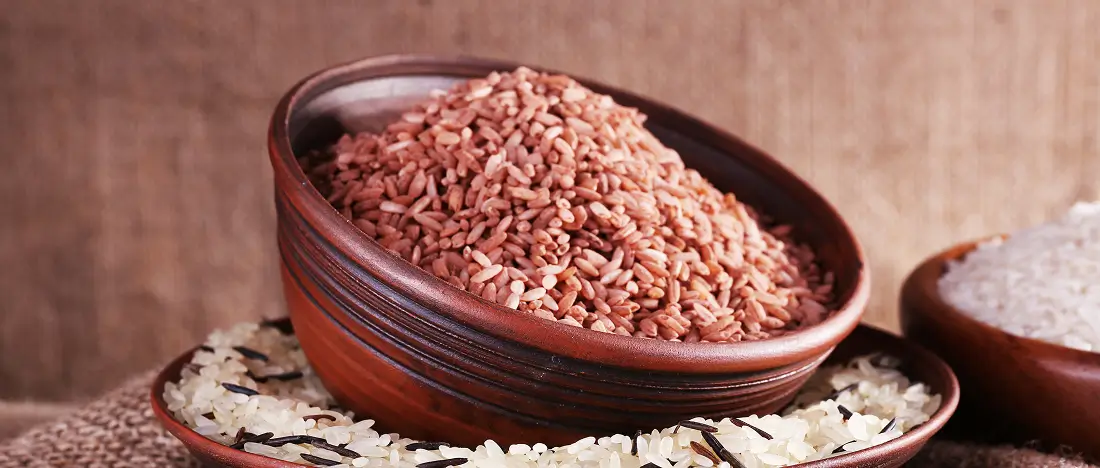
Enhancing Flavor While Maintaining Health
Is brown rice too “earthy” for your palate? Many people struggle with the transition from the neutral taste of white rice. However, you can infuse flavor during the final steaming phase.
Instead of just using water for that final 10-minute steam, try adding a splash of low-sodium vegetable broth or a slice of ginger. Have you ever tried adding a stick of cinnamon or a few cardamom pods to the pot?
This adds a fragrant, professional touch to your meal without adding calories or sodium.
For a savory use case, imagine a “Grain Bowl” topped with roasted chickpeas, kale, and a tahini dressing.
The nutty profile of the brown rice provides a sturdy base that doesn’t get lost under heavy toppings, unlike white rice, which can often turn into a soggy foundation.
Conclusion
Learning how to cook brown rice is more than just a culinary skill; it is a step toward conscious eating. By moving away from the traditional absorption method and embracing the parboiling technique, you significantly reduce exposure to heavy metals while maximizing the bioavailability of essential minerals.
It is about finding the balance between convenience and long-term wellness.
When selecting your grains, the quality of the source matters just as much as the cooking method. For those seeking the highest quality traditional grains to pair with these healthy cooking techniques, consider the premium selection at Keshar Kali Rice.
Our commitment to quality ensures that your base ingredient is as pure as your preparation method. Make the switch today, your body and your taste buds will thank you.