
Ponni vs. Sona Masuri: Which Thin-Grain Rice is Better for Weight Loss in 2026?
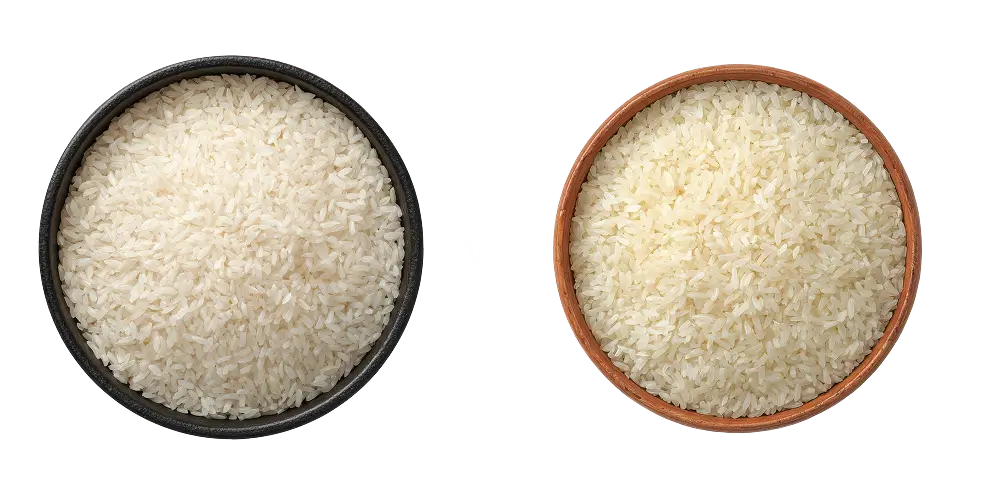
Are you tired of staring at your dinner plate, wondering if that scoop of white rice is the sole reason your fitness tracker isn’t showing the progress you have worked so hard for?
In fact, recent health surveys in 2026 indicate that nearly 65% of urban adults are actively seeking functional carbohydrates that provide energy without the dreaded mid-afternoon insulin spike.
The struggle is real because, in our culinary culture, giving up rice feels like losing a piece of our heritage. But what if the secret isn’t quitting rice, but simply choosing the right grain?
When we look at the showdown between Ponni rice and Sona Masuri, we are examining their glycemic indices, fiber content, and metabolic impacts. Both are beloved thin-grain varieties, but they play very different roles in how your body manages weight.
Let’s break down these kitchen staples to see which one deserves the “weight loss champion” title for your 2026 health goals.
Understanding Ponni Rice and Its Advantages
Originating from the fertile banks of the Kaveri River, Ponni rice is a nutritional powerhouse often overlooked by the mainstream fitness industry.
What makes Ponni rice unique, especially the parboiled variety, is the hydrothermal treatment it undergoes before milling. This process pushes the nutrients from the husk into the grain itself, making it a “pre-fortified” source of energy.
One of the standout advantages of Ponni rice is its higher fiber content than standard polished white rice. Why does fiber matter for your weight loss journey? Imagine you are eating lunch at 1:00 PM.
High-fiber grains slow digestion, ensuring that glucose is released into your bloodstream steadily rather than all at once. This prevents the “hunger pangs” that usually strike by 4:00 PM, leading you to reach for a sugary snack.
Furthermore, Ponni rice is known for being highly digestible. It is highly digestible, which is a major plus if you feel bloated or heavy after a meal. For a busy professional who needs to stay sharp after a heavy lunch, the lightness of Ponni rice is essential.
It provides the complex carbohydrates needed for brain function without the lethargy associated with heavier, starchier grains.
Understanding Sona Masuri and Its Advantages
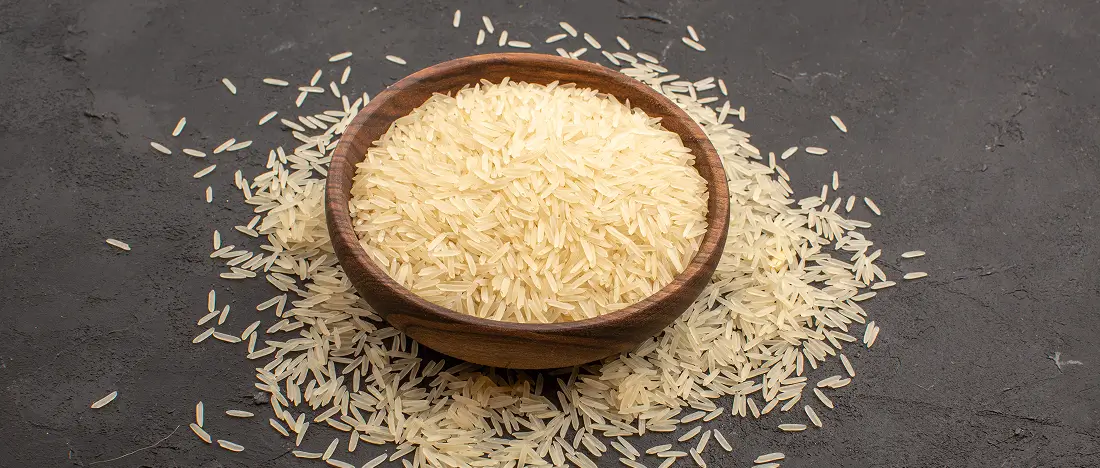
On the other side of the ring, we have Sona Masuri, a lightweight, aromatic, medium-grain rice that is a hybrid of the Sona and Mahsuri species. If you enjoy a “fluffy” texture where every grain stands apart, Sona Masuri is likely already your favorite.
It is unpolished and largely produced in Andhra Pradesh and Karnataka, making it a fresh, local favorite for millions.
The primary advantage of Sona Masuri lies in its low starch content. Have you ever noticed how some rice varieties feel sticky or gummy? That is high starch at work. Sona Masuri is the opposite. Because it is lower in starch, it generally has fewer calories per serving than wide, long-grain aromatic varieties.
This makes it an excellent choice for “volume eaters,” which means people who like to see a full plate but want to keep total caloric intake low.
In 2026, many nutritionists recommended Sona Masuri for individuals focused on “clean eating.” Since it is often available in unpolished or “brown” forms, it retains a decent amount of minerals, such as manganese and selenium.
These minerals are crucial for metabolic health. If your goal is to maintain a lean physique while enjoying traditional South Indian dishes like sambar rice or lemon rice, Sona Masuri provides a neutral base that absorbs flavors beautifully without adding excessive “empty” calories.
Ponni Rice vs Sona Masuri: The Weight Loss Verdict
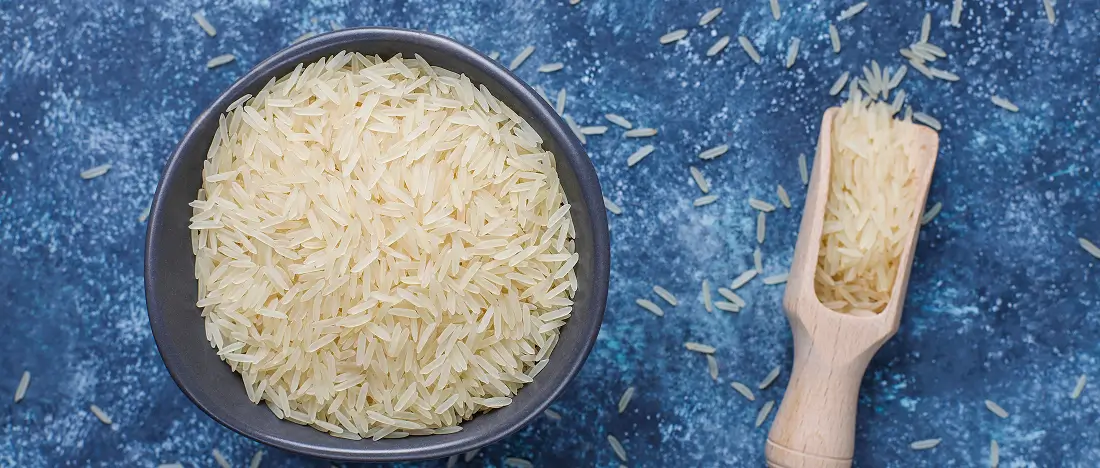
Now, the question you have been waiting for: when comparing Ponni rice vs Sona Masuri, which one actually helps you shed the pounds faster? The answer isn’t just about calories; it’s about how your hormones react to the food.
To lose weight, you need to manage your insulin levels. High-insulin spikes signal the body to store fat. Let’s look at the data through five critical lenses to see which grain supports a flatter stomach and higher energy levels.
1. The Glycemic Index Factor
The Glycemic Index (GI) measures how quickly a food raises blood sugar. Generally, parboiled Ponni rice has a lower GI compared to raw Sona Masuri. This is because the parboiling process changes the starch structure into “resistant starch.”
Have you ever wondered why you feel full for 3 hours after a Ponni rice meal but hungry 1 hour after eating white Sona Masuri? It is a resistant starch at work. For weight loss, a lower GI is almost always the winner because it keeps you in a “fat-burning” mode for longer.
2. Caloric Density and Satiety
In the debate of Ponni rice vs Sona Masuri, Sona Masuri often wins on raw calorie counts because it is so light. However, weight loss is about satiety, the feeling of being full. Because Ponni rice is denser and often contains more fiber, you tend to eat a smaller portion to feel satisfied.
For example, a half-cup of cooked Ponni rice might keep you as full as a full cup of Sona Masuri. If you struggle with portion control, the natural “heaviness” of Ponni might prevent overeating.
3. Digestion and Gut Health
Weight loss is nearly impossible if your gut health is compromised. Ponni rice is often cited as the superior choice for those with sensitive digestion. A healthy gut microbiome is associated with lower obesity.
When your body can efficiently break down food and absorb nutrients without inflammation or bloating, your metabolic rate remains optimal. Sona Masuri is great, but its raw nature can sometimes be starchier, which might lead to slight bloating in individuals with slower metabolisms.
4. Nutrient Retention for Metabolic Support
When you are on a calorie-restricted diet, every bite must be counted. You need B vitamins and minerals to convert food into energy. In the comparison of Ponni rice vs Sona Masuri, parboiled Ponni rice usually retains more Thiamine and Niacin due to its processing.
If your metabolism is sluggish, you won’t burn fat efficiently regardless of how little you eat. Choosing a grain that fuels the metabolic fire is a smarter long-term strategy.
5. Versatility in Meal Prep
Weight loss success in 2026 often comes down to meal prepping. Sona Masuri is fantastic for fresh, hot meals because of its aroma. However, Ponni rice holds its structure much better when refrigerated and reheated.
This makes it the better candidate for grain bowls or stir-fries prepared in advance. If your lifestyle is hectic and you rely on pre-made meals, Ponni rice will help you stick to your diet because it does not turn into a mushy mess the next day.
Conclusion
Choosing between Ponni rice vs Sona Masuri doesn’t mean you have to give up one forever. However, if your primary focus for 2026 is aggressive weight loss and blood sugar management, Parboiled Ponni Rice has a slight edge due to its lower glycemic index and superior satiety.
It’s the slow-burn fuel your body needs to stay active. On the other hand, if you are maintaining your weight and prioritizing a light, aromatic meal that won’t leave you feeling heavy, Sona Masuri remains a stellar, low-starch option for your daily dals and curries.
Ultimately, the best rice is the one that fits your portion sizes and activity levels. If you are looking for a premium, authentic grain that bridges the gap between traditional taste and modern health requirements, consider exploring the Keshar Kali Rice collection to find the perfect match for your kitchen.