
Oats or Rice: Which Is Better for a Healthy Everyday Diet?
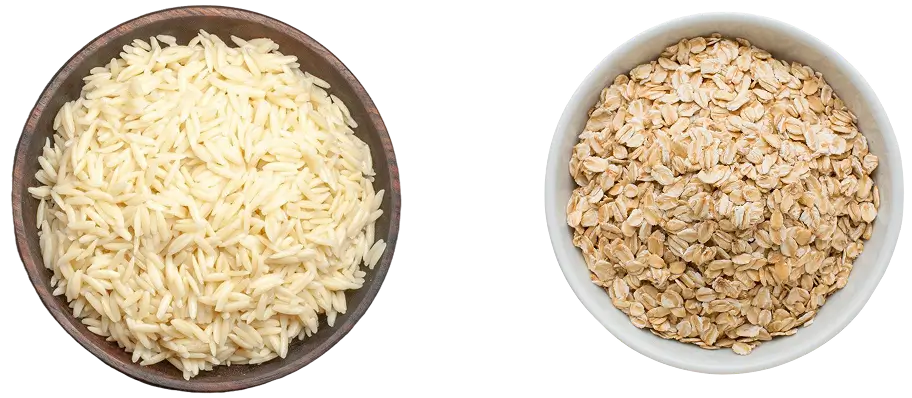
Choosing the right staple food for a healthy everyday diet can be confusing, especially when it comes to rice or oats. Both are widely consumed, versatile, and comforting, but they have different nutritional profiles and benefits. Understanding the differences can help you make informed choices that support energy, weight management, and overall wellness.
Nutritional Comparison: Rice vs Oats
When comparing rice vs oats nutrition, several factors stand out:
- Calories: A cup of cooked white rice has around 200 calories, while a cup of cooked oats contains approximately 150 calories. Oats are slightly lower in calories and can be a better option if you are managing your daily intake.
- Fiber: Oats are rich in soluble fiber, especially beta-glucan, which helps reduce cholesterol and keeps you full longer. Rice, particularly white rice, is low in fiber, though brown rice provides more.
- Protein: Oats provide around 5 grams of protein per cup, whereas white rice has only 4 grams. Protein in oats also includes essential amino acids that support muscle repair and overall health.
- Micronutrients: Oats contain magnesium, iron, and B vitamins, whereas rice is a good source of manganese and some B vitamins. Brown rice is more nutrient-dense than white rice.
Glycemic Index: Oats vs Rice
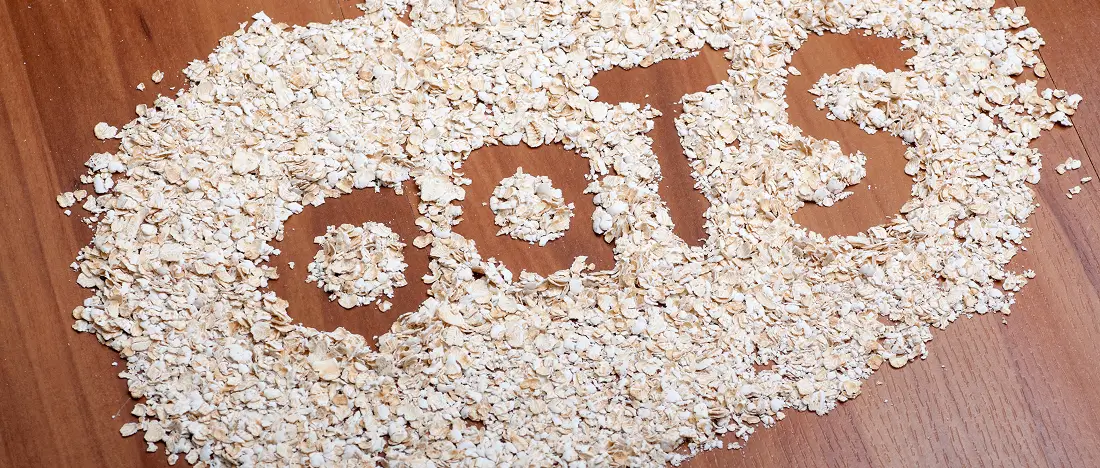
Health Benefits of Oats
- Heart Health: Beta-glucan in oats helps lower LDL cholesterol.
- Weight Management: High fiber content promotes satiety and reduces overeating.
- Digestive Health: Soluble fiber supports gut health and regular bowel movements.
- Blood Sugar Control: Low glycemic index helps stabilize glucose levels
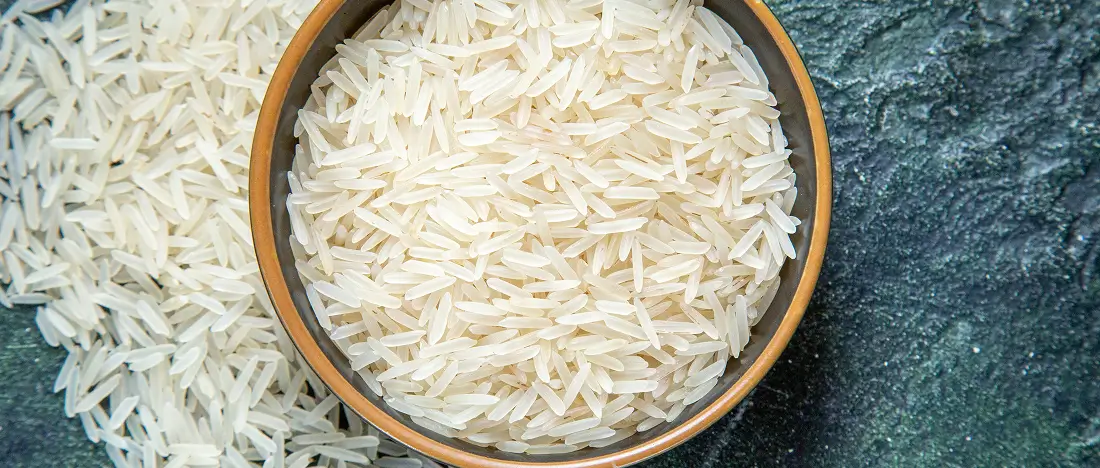
Health Benefits of Rice
- Energy Boosting: Rich in carbohydrates, rice provides quick energy.
- Gluten-Free: Naturally gluten-free, suitable for people with celiac disease or gluten sensitivity.
- Versatility: Rice is easy to digest and pairs with a variety of vegetables, legumes, and proteins for balanced meals.
- Mineral Content: Brown rice provides magnesium, selenium, and manganese, supporting bone and metabolic health.
Which Is Better: Oats or Rice?
The answer depends on your dietary goals:
- If your focus is weight management, heart health, or blood sugar control, oats are generally a better choice.
- If you need quick energy, a gluten-free option, or a versatile staple for meals, rice—preferably brown rice—is ideal.
- Combining both in your diet can provide variety and balance: oatmeal for breakfast, rice for lunch or dinner.
Conclusion
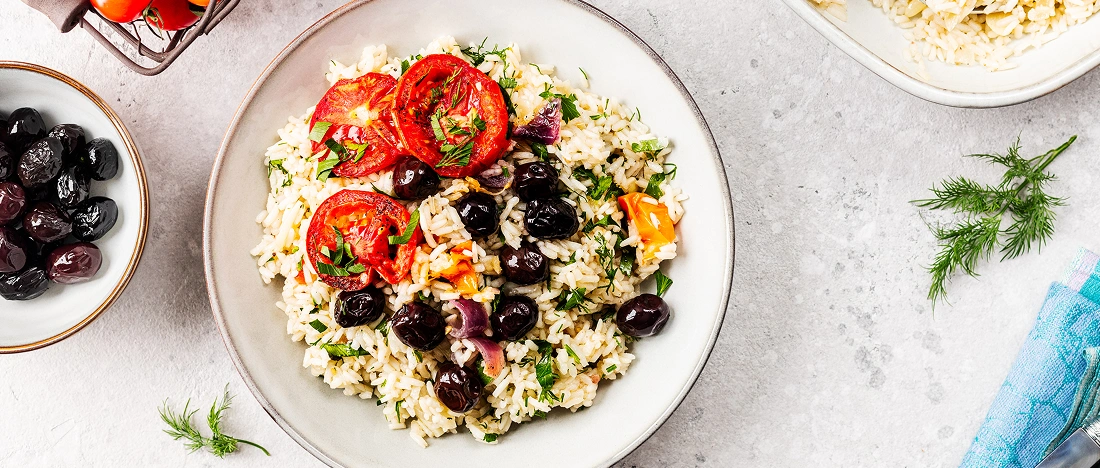
Deciding between oats or rice doesn’t have to be an either-or choice. Both have unique nutritional benefits—oats are great for heart health and sustained energy, while rice provides quick energy and essential minerals. By including a mix of both in your diet, you can enjoy the best of both worlds, ensuring variety, balanced nutrition, and a healthy, enjoyable everyday meal plan.