
Is Rice is Good for Health? Nutritional Value and Health Benefits of Rice You Should Know
Table of Contents
For billions of people, rice is more than a staple food. It is a cultural symbol, a comfort dish, and in many parts of Asia, the centerpiece of every meal. Yet, a common question keeps surfacing: Is rice is good for health?
The answer is not as simple as “yes” or “no.” Rice comes in many varieties, each with its own nutritional profile. How it is prepared, how much you eat, and what you eat alongside it all shape its health effects. By looking at the nutritional value of rice, exploring the health benefits of rice, and examining potential risks, you can make better choices about the type of rice that fits your diet.
Why Rice Deserves a Closer Look
Rice provides about 20% of global dietary energy. In countries like India, China, and Japan, it has been the backbone of meals for centuries. It is inexpensive, versatile, and naturally gluten-free. But modern concerns about blood sugar, arsenic content, and weight gain have made many people rethink their daily bowl of rice.
So, is rice is good for health? The short answer is yes, but only when you choose the right variety, watch your portion sizes, and prepare it correctly.
Looking for healthier rice options? Check out Keshar Kali’s product range for premium white and brown rice varieties.
Understanding Rice Varieties
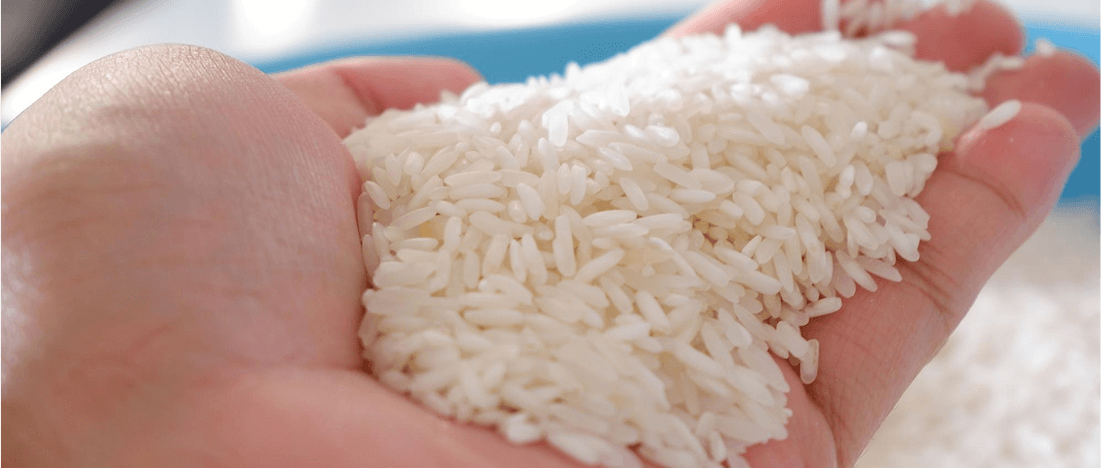
Not all rice is the same. Different types carry different nutritional strengths.
- White rice – The most common form. Polishing removes the bran and germ, which reduces fiber and nutrients but makes it softer and easier to digest. In many countries, it is enriched with iron and folic acid.
- Brown rice – A whole grain that retains its bran and germ layers. This makes it richer in fiber, B vitamins, and minerals like magnesium and manganese.
- Parboiled rice – Rice that is partially boiled before milling. This process pushes some nutrients into the grain, resulting in a lower glycemic index than regular white rice.
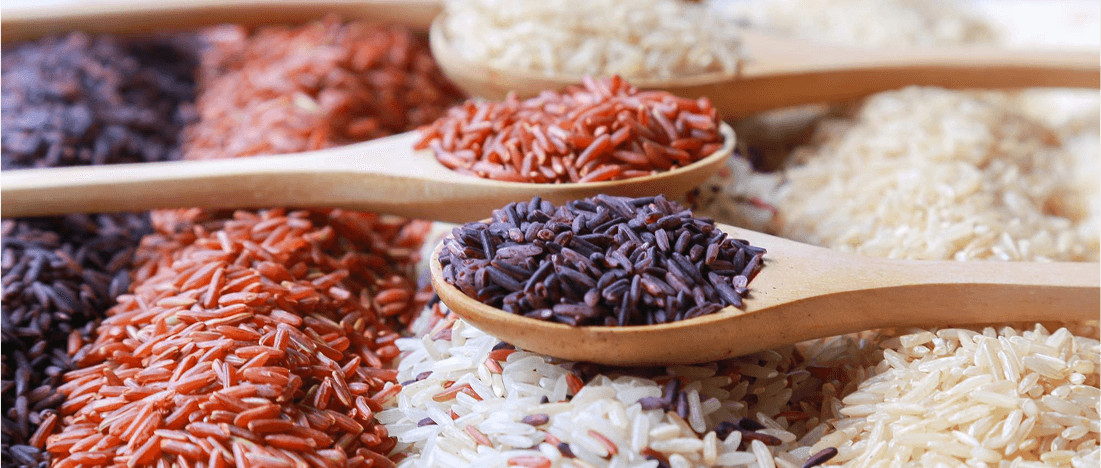
- Specialty varieties – Basmati, jasmine, black, and red rice each offer unique flavors and nutrient profiles. Some Indian traditional strains, like Wada Kolam and Pokkali, have naturally lower glycemic index values.

The Nutritional Value of Rice
Here’s a comparison of white and brown rice per one cup cooked (about 158–195 g):
| Nutrient | White Rice | Brown Rice |
|---|---|---|
| Calories | ~205 kcal | ~218–250 kcal |
| Carbohydrates | 45 g | 45–52 g |
| Protein | 4–4.5 g | 4.5–5.5 g |
| Fiber | 0.6–1 g | 3–4 g |
| Key micronutrients | Often enriched with folic acid, iron | Higher in magnesium, manganese, B vitamins |
(Source: USDA FoodData Central)
From this table, it is clear that brown rice provides more fiber and nutrients. That does not mean white rice has no place in a healthy diet. For people with sensitive digestion or those recovering from illness, white rice can be easier to tolerate. When paired with quality proteins and healthy fats, white rice becomes a more balanced option, helping stabilize blood sugar and improving satiety.
The Health Benefits of Rice
A Reliable Energy Source
Rice is a good source of carbohydrates, which means it gives you energy quickly and reliably. This is especially important for athletes, active people, and people who need nutrition that is easy to digest.
Supports Digestive Health
Brown rice has bran in it, which gives you dietary fiber that helps your body digest food regularly and keeps you from being constipated. Eating more fiber is also connected to better cholesterol control.
Helps with Blood Sugar Management
Some types of rice, like basmati, parboiled, and brown rice, have a lower glycemic index. This means that they elevate blood sugar levels more slowly and steadily than conventional white rice. These types are preferable for diabetics.
Naturally Gluten-Free
Rice is gluten-free, which means that individuals with celiac disease or gluten intolerance can consume it. It is also one of the least allergenic grains.
Try Keshar Kali’s Farm Magic Brown Rice for a whole-grain option that supports heart and digestive health.
Risks and Caveats
Arsenic in Rice
Rice plants absorb more arsenic from soil and water compared to other grains. Long-term exposure to high quantities of arsenic is associated with health problems. Brown rice usually has more arsenic than white rice because the outer layers hold most of it.
How to reduce arsenic:
- Rinse rice thoroughly before cooking.
- Use the excess water method (6 cups of water to 1 cup of rice, then drain the rest).
- Alternate rice with other grains such as quinoa, millet, and oats.
Blood Sugar Concerns
White rice has a higher glycemic index, which means it can elevate blood sugar levels faster. Consistently large portions may increase the risk of type 2 diabetes. To offset this:
- Combine rice with protein (chicken, lentils, fish) and fiber-rich vegetables.
- Stick to ½–1 cup cooked rice per meal, depending on your activity level.
Nutrient Loss During Processing
Polishing white rice removes the bran and germ, which reduces fiber and some vitamins. Although enrichment restores some elements, such as folic acid, whole-grain rice is still the most nutrient-dense option.
Practical Tips for Healthy Rice Consumption
- Choose brown rice or parboiled rice for everyday meals.
- Control portions — measure rice after cooking to avoid over-serving.
- Create a balanced plate by combining rice, protein, and vegetables.
- Rotate grains — try millets, barley, quinoa, and oats alongside rice.
- Use proper cooking methods to lower arsenic levels.
Recipe Ideas That Make Rice Healthier
- Brown Rice Veggie Bowl: Brown rice topped with roasted vegetables and chickpeas with a light tahini dressing.
- Parboiled Rice Salad: Tossed with cucumbers, mint, and grilled paneer for a refreshing dish.
- Vegetable Basmati Pilaf: Long-grain basmati rice cooked with peas, carrots, and mild spices.
Browse Keshar Kali’s blog section for more cooking tips and creative rice recipes.
When to Choose Which Rice?
| Health Goal | Best Rice Choice |
|---|---|
| Lower blood sugar impact | Brown rice, basmati rice, or parboiled rice |
| Easy digestion | White rice (temporarily) |
| Nutrient boost | Brown rice or traditional varieties like Wada Kolam |
How Keshar Kali Fits In
Keshar Kali is more than just a rice brand; families who value nutrition and authenticity trust it. The company sells a lot of different kinds of rice, such as premium white rice, Farm Magic brown rice, and traditional Wada Kolam. It’s a reliable choice for everyday meals and special occasions since each grain is carefully chosen to make sure it tastes good, is consistent, and is of high quality.
Brown rice from Keshar Kali offers more fiber, vitamins, and minerals than white rice. This is helpful for your digestion and long-term health. Wada Kolam’s subtle perfume and natural flavor complement family dishes. Keshar Kali bridges the gap between healthy living and cultural heritage by combining modern nutrition with traditional flavors.
Keshar Kali makes sure that every meal is healthy, filling, and faithful to its roots, whether you want balanced nutrition, authentic taste, or both.
Conclusion
Is consuming rice good for your health? Yes, but only if you choose the right type and eat in moderation. Whole-grain rice offers more vitamins, minerals, and fiber than other kinds of rice. White rice is still good for you, especially when you add nutrients to it or eat it in small amounts. To get the most out of rice, restrict your consumption, cook it correctly, and pair it with nutrient-dense foods.
If you want to bring home high-quality rice that tastes real, Keshar Kali has trusted types, including Farm Magic Brown Rice and classic Wada Kolam. Look at our items now so you can make smarter choices for your family.
FAQ
Is rice good for health?
Yes. Rice can be nutritious, particularly whole-grain varieties such as brown or parboiled rice. It is more balanced when you restrict the portions and eat it with veggies and proteins.
Is rice fattening?
Rice doesn’t make you gain weight. No matter the type, consuming more calories than you burn leads to weight gain. In a well-balanced diet, moderate rice consumption is quite appropriate.
Is rice good for diabetics?
Diabetics should prefer brown, parboiled, or basmati rice because they have a lower glycemic index. To keep blood sugar stable, pair rice with fiber and protein.
Is brown rice healthier than white rice?
Yes, brown rice retains fiber and minerals. However, it can contain more arsenic, so rotate with other grains and cook it properly.